Image by Gerd Altmann from Pixabay
The Science Behind It All
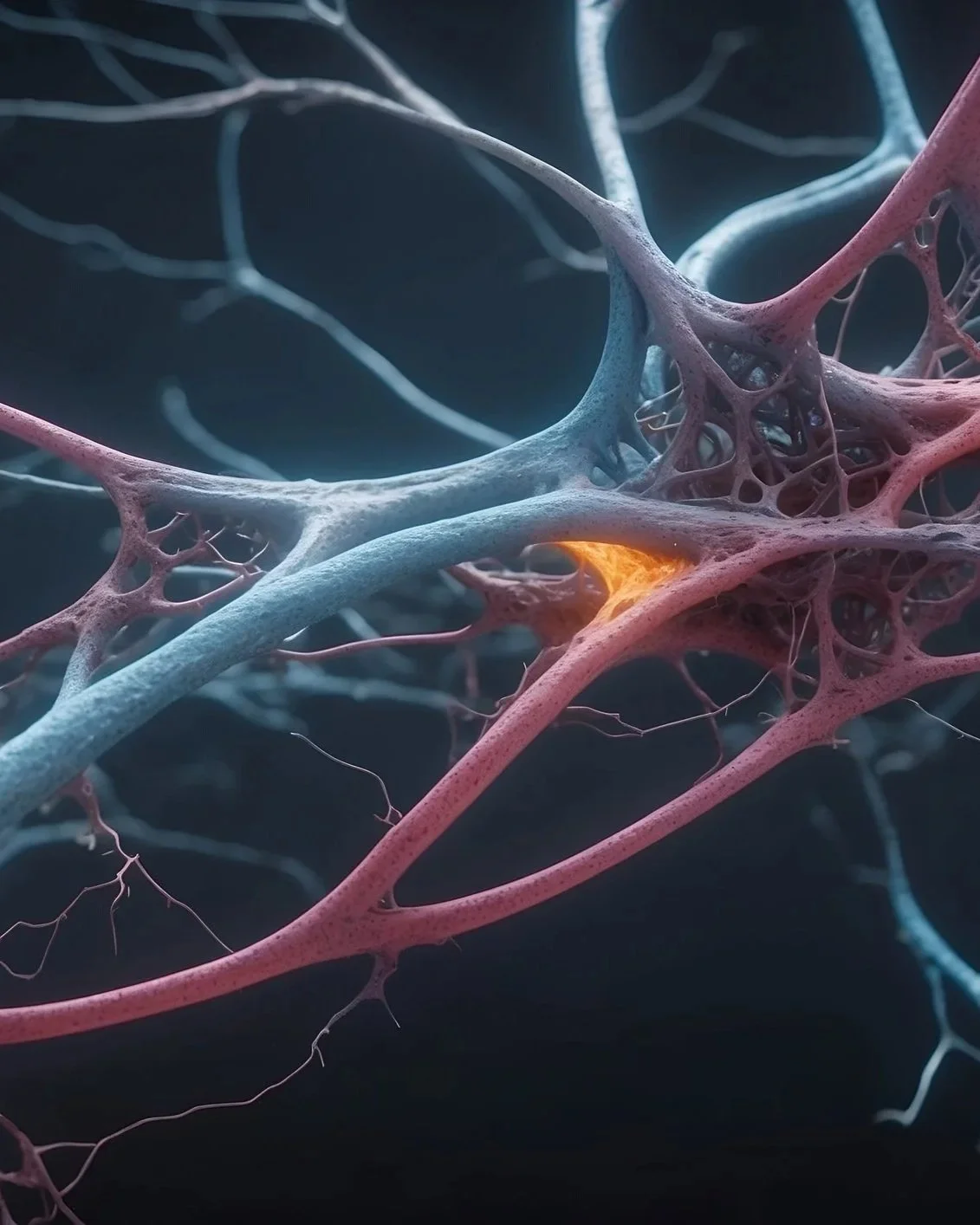
Nervous System
Behavior reflects internal state

Stress Cycles
Activation builds and resolves
Image by Alexandra_Koch from Pixabay
Conditions
Behavior follows environment + state
“Safety is not the absence of threat; it’s the presence of connection.”
-Stephen Porges
Behavior is not random
What we see on the surface—barking, pulling, shutting down, ignoring cues—is not happening in isolation.
It’s the visible expression of how the nervous system is processing stress in real time.
The Nervous System Sets the Conditions
Both dogs and humans are constantly:
taking in information
evaluating safety or threat
adjusting internal state in response
This happens automatically, often outside of conscious awareness.
This is supported by research on the autonomic nervous system and its role in regulating behavior.
When the system perceives safety:
behavior is flexible
learning is possible
responses are adaptable
When it doesn’t:
behavior becomes reactive
patterns become rigid
responses become inconsistent
"Stress is not being in a threatening situation… it’s thinking you are."
-Hans Selye
Stress Follows a Process
Stress doesn’t just appear—it moves through a cycle.
A simplified version looks like:
Orientation → noticing and gathering information
Mobilization → activation builds (movement, arousal, readiness)
Discharge → energy is released or resolved
Recovery → the system returns toward baseline
When this cycle completes, the system stabilizes.
When it doesn’t, activation carries forward.
Research shows that differences in stress responsiveness can predict behavior across contexts.
“The brain is a tool for survival that generates emotional feelings to guide behavior.” -Antonio Damasio
What This Means in Practice
Instead of asking:
“How do we stop this behavior?”
We ask:
“What is the system trying to do—and where is it getting stuck?”
From there, the focus becomes:
recognizing patterns as they build
adjusting timing and pressure
allowing activation to resolve
creating conditions where behavior can actually change
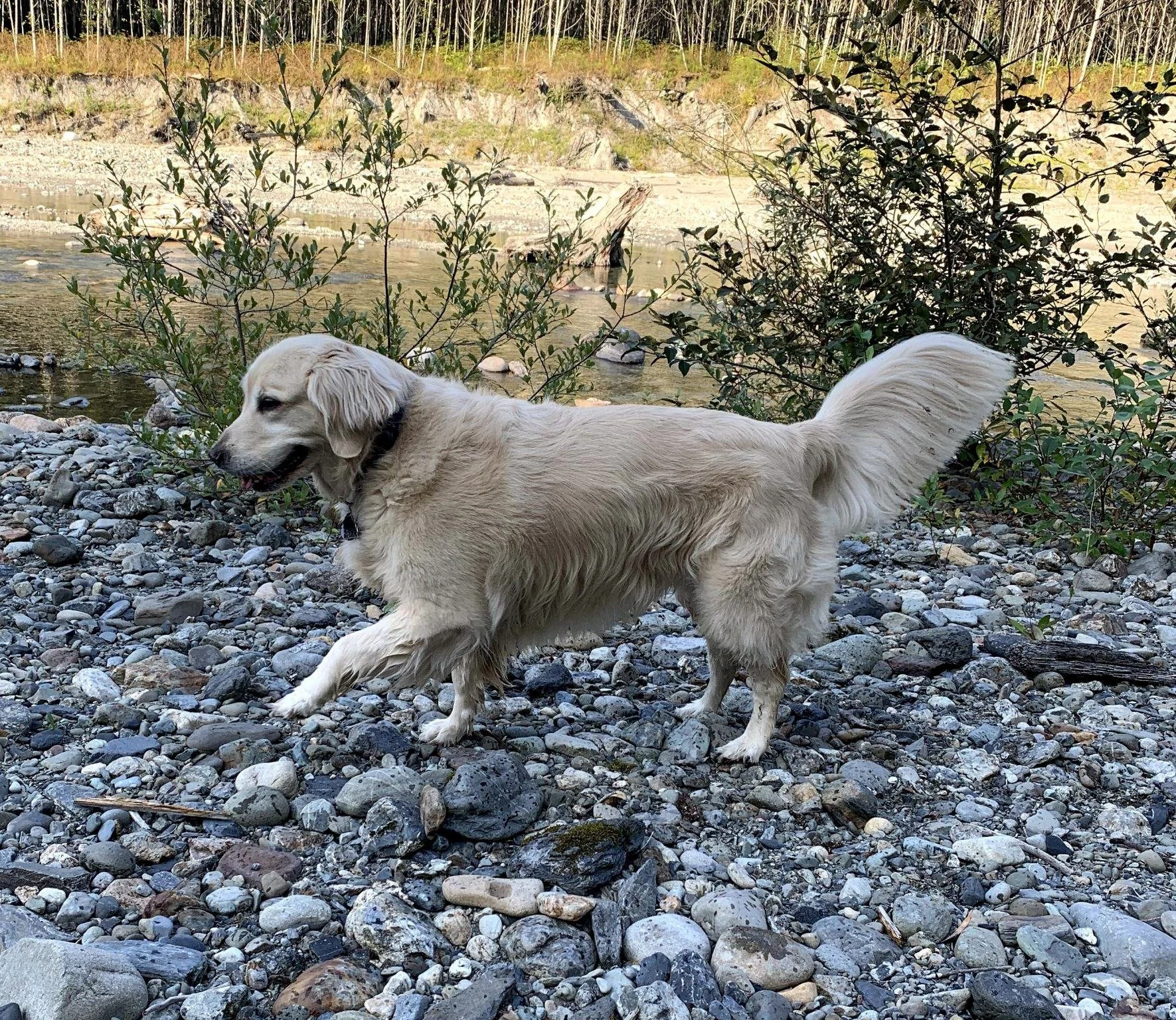
When the System Can’t Complete the Cycle
Most behavior issues aren’t about a lack of training.
They come from a system that:
builds activation faster than it can process it
stays activated too long
or never fully resolves it
This is when behavior starts to look:
unpredictable
disproportionate
or “out of nowhere”
Because the system isn’t starting fresh—it’s carrying unfinished stress forward.
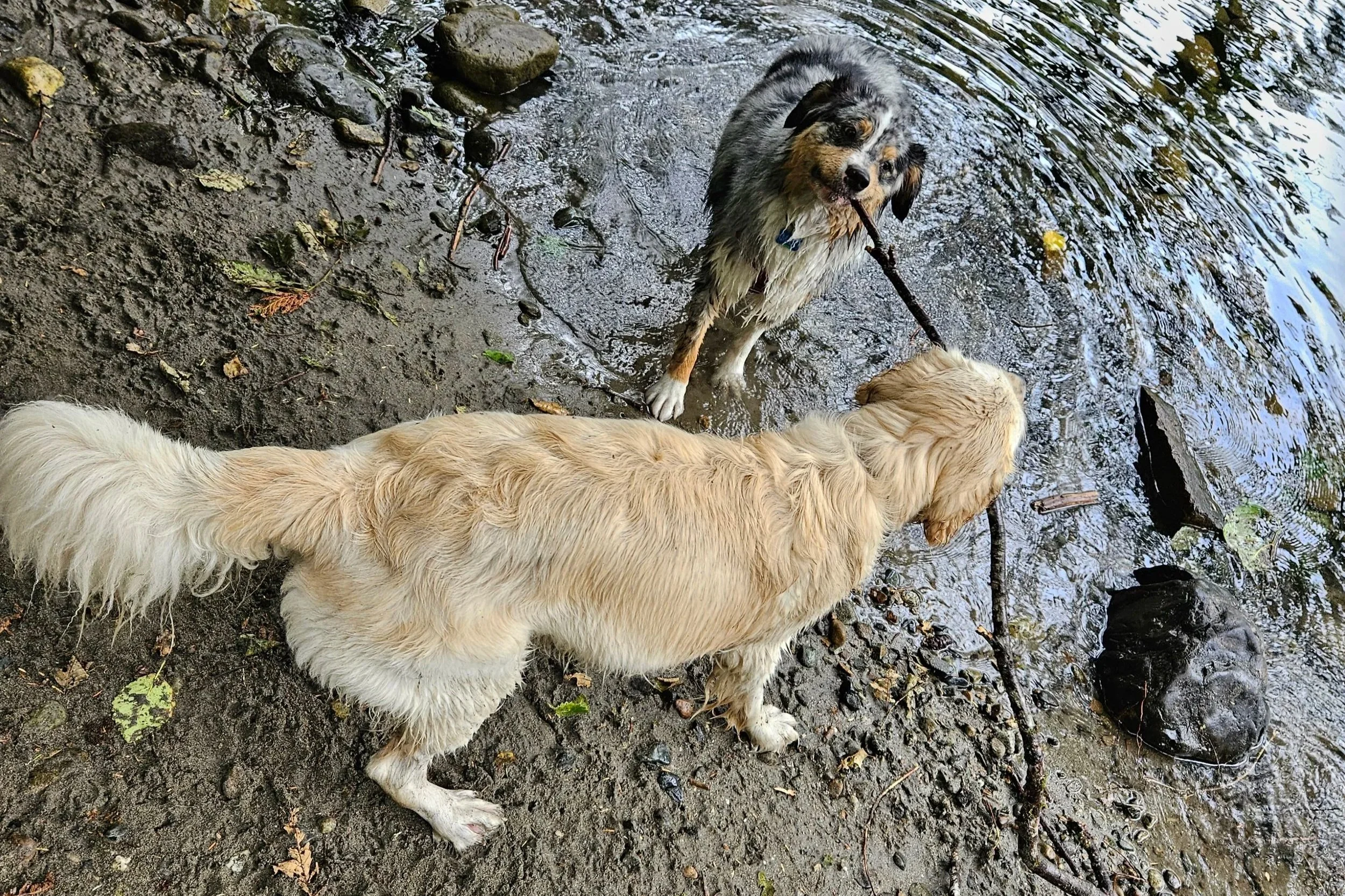
Why Behavior Alone Doesn’t Solve It
Many training approaches focus on:
stopping behavior
reinforcing alternatives
increasing exposure
These can work in specific contexts.
But if the underlying state doesn’t change, the system remains unstable.
A dog may:
appear calm but still be activated
respond well in one setting but not another
repeat the same pattern despite training
Because behavior is the last thing to change.
Where This Approach Comes From
This work draws from established fields, including:
Learning theory and behavior science
Neurobiology of stress and arousal
Autonomic nervous system research (including polyvagal theory)
Ethology (the study of natural behavior)
It’s also shaped by practical, real-world work with dogs and humans navigating stress in complex environments.
Behavior follows conditions.
Why It Works
When the system stabilizes:
behavior becomes more consistent
responses become more flexible
learning becomes possible
Not because the behavior was forced to change—but because the conditions that produced it have changed.